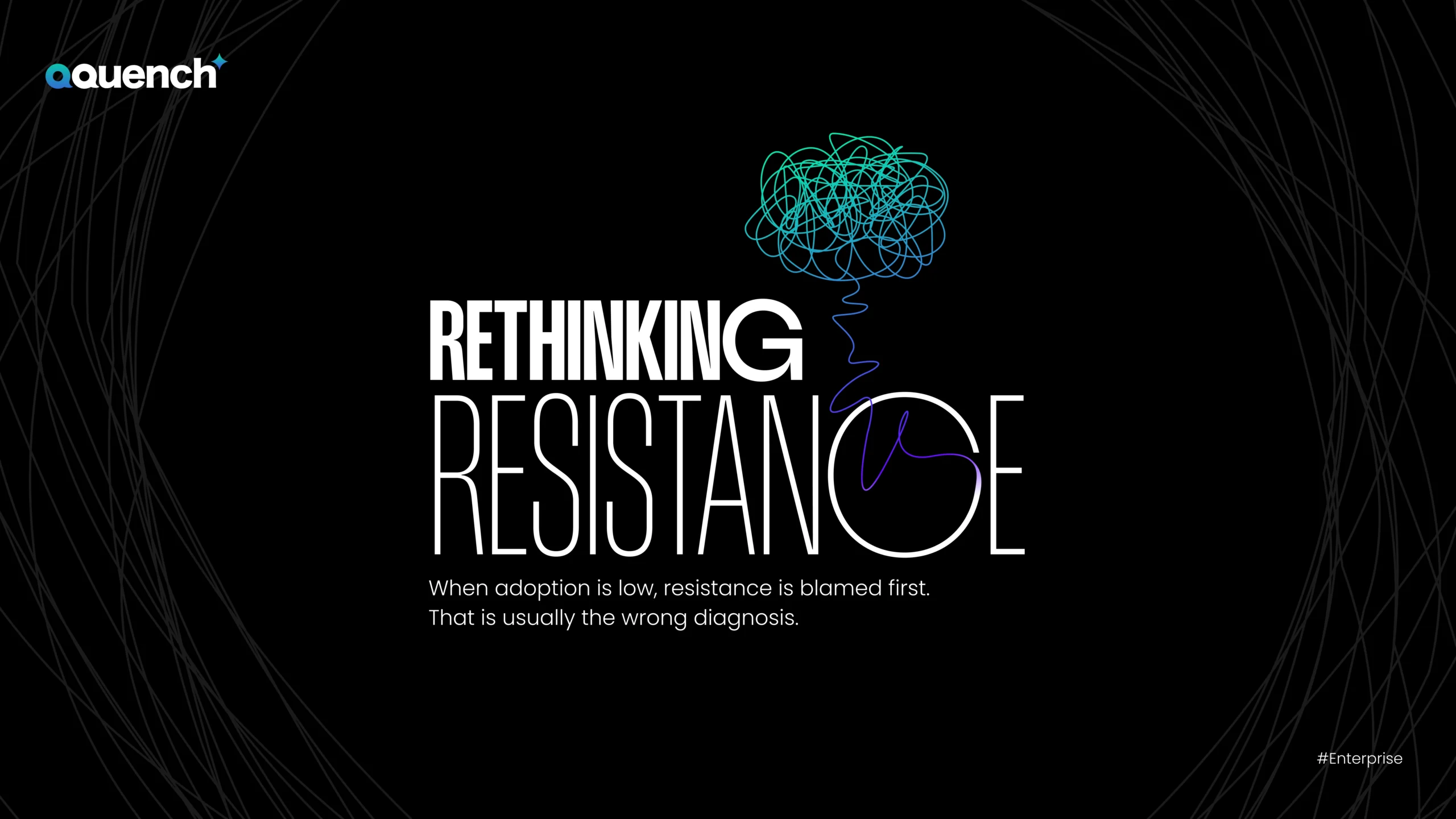
Resistance is a Convenient Explanation
This being an easy label.
It explains failure without redesign.
It places responsibility on people.
It avoids system scrutiny.
But this is rarely irrational.
As established in Why Strategy Rarely Becomes Daily Practice, behavior follows systems, not intent.
When change initiatives collide with operational friction, resistance often becomes the visible symptom.
People Resist Friction, Not Change
Most employees accept change when:
- It makes work easier
- It removes confusion
- It aligns with reality
They resist when change:
- Adds steps
- Creates risk
- Conflicts with incentives
Resistance frequently emerges when new processes increase operational effort instead of reducing it.
Gartner research confirms that perceived resistance usually reflects poor system design:
Emerging Where Design Breaks Down
This clusters around:
- Extra clicks
- Duplicate tools
- Conflicting instructions
- Unclear ownership
These are design failures.
Operational friction often appears as behavioral when observed from leadership distance.
As discussed in The Hidden Cost of Too Many Internal Systems, overload looks like this from the outside.
Harvard Business Review reinforces that behavioral pushback often signals structural misalignment:
Training Is Used to Fix Design Problems
When adoption falters:
- More training is added
- More reminders are sent
- More compliance is enforced
Training becomes a bandage.
Instruction cannot compensate for systems that make the desired behavior difficult.
This mirrors the pattern described in Training Does Not Change Behavior.
Nielsen Norman Group research shows that users adapt behavior based on interface friction, not instruction quality:
Labeling Resistance Prevents Learning
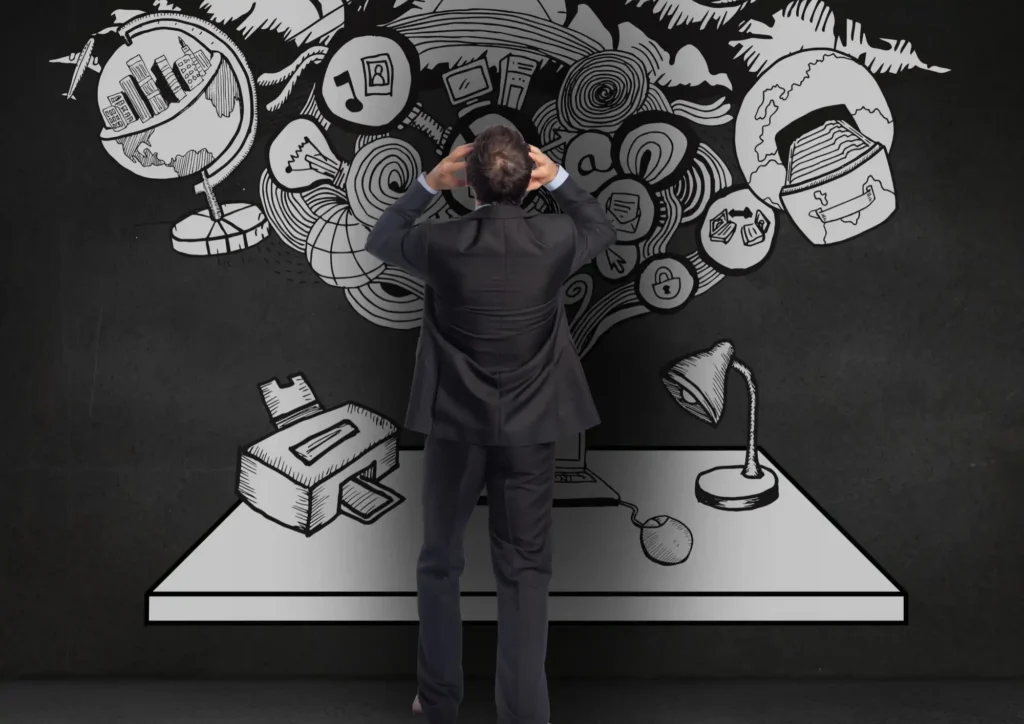
Once this is blamed:
- Regional confusion
- Workarounds are dismissed
- Signals are lost
Organizations stop listening.
Mislabeling prevents organizations from discovering the underlying design gaps.
As shown in Change Fatigue Is a Design Problem, fatigue and resistance share the same root causes.
Diagnosing Correctly Changes Outcomes
When this is treated as data:
- Friction points surface
- Design gaps appear
- Systems improve
Conceptual reference:
Resistance as Signal vs Resistance as Obstacle
Signals guide redesign. Obstacles get blamed
Organizations that analyze it as feedback improve systems faster than those that attempt to suppress it.
This reframing unlocks progress.
Resistance is Feedback
This is not defiance.
It is information.
Organizations that listen to this redesign systems.
Those that fight it repeat failure.
Change succeeds when friction is removed, not when people are pushed harder.
Explore Further:
- Strategy Does Not Become Practice
- Why Adoption Drops After Enterprise Rollouts
- Training Does Not Change Behavior
- Knowing ≠ Doing
- The Hidden Cost of Too Many Internal Systems
- Fragmented Digital Experiences
- Change & Adoption Design
- Learning Experience Design
Stop Fighting. Start Designing Better Systems.
Talk to Qquench about diagnosing adoption issues correctly and redesigning systems instead of blaming people.
FAQ: Resistance to Change
Why is resistance to change often misdiagnosed?
Because system friction is mistaken for mindset issues.
Are employees naturally resistant to change?
No. People resist added risk, confusion, and workload.
How should organizations respond to this?
By treating it as feedback and redesigning workflows.
Does training reduce resistance?
Only if it removes friction. Training alone rarely works.