Launch Is the Easy Part
Most organizations know how to stick to change.
They struggle to sustain it.
Initial momentum is driven by:
- Leadership attention
- Communication intensity
- Program energy
What follows is drift.
Change decay typically begins once leadership focus shifts to the next priority.
As established in Why Adoption Drops After Enterprise Rollouts, decay begins once attention shifts.
Change Relies Too Heavily on Momentum
Momentum is temporary.
When change depends on:
- Champions
- Campaigns
- One-time training
It fades.
Momentum creates initial adoption but rarely sustains long-term behavior.
Harvard Business Review confirms that behavioral change decays without structural reinforcement:
Systems Quietly Reinstate Old Behavior
Even after change:
- Legacy metrics remain
- Old tools persist
- Prior incentives dominate
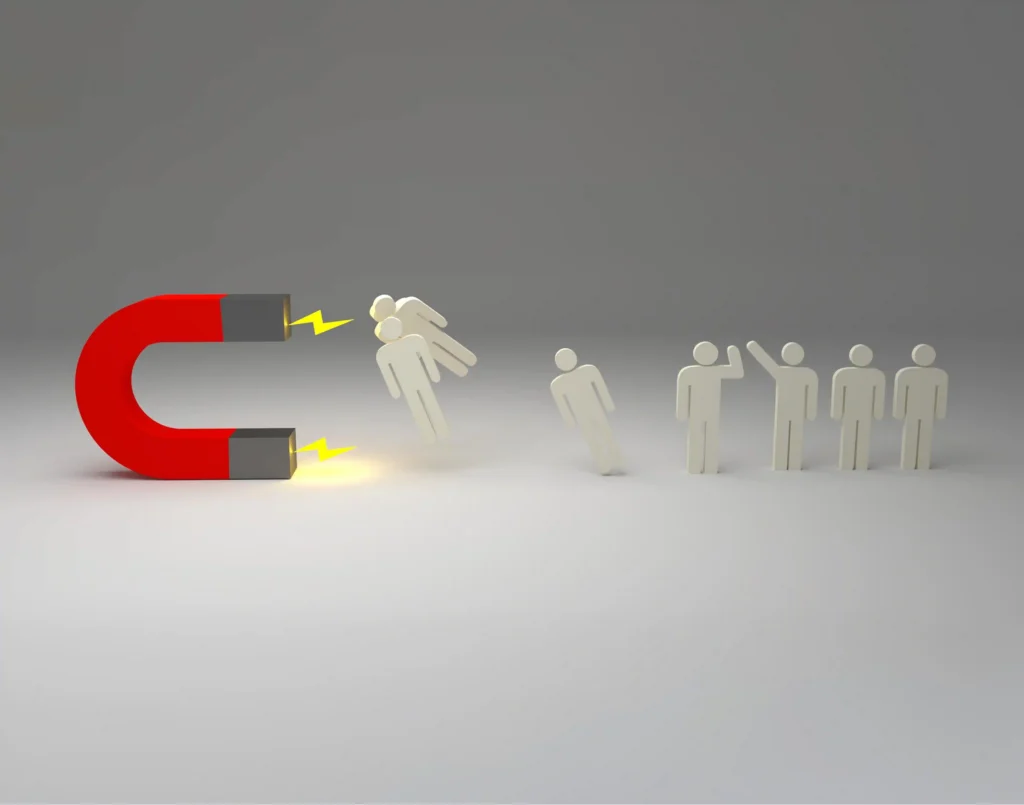
Systems pull behavior back.
Operational defaults quietly restore previous behaviors when underlying systems remain unchanged.
As discussed in Intent vs Practice Gap, defaults overpower intent.
Gartner research shows that organizational inertia is driven by unchanged systems:
Reinforcement Is Mistaken for Communication
When slippage appears:
- More reminders are sent
- More town halls occur
- More messaging is added
Reinforcement fails because it is symbolic.
Communication alone rarely alters behavior without structural change.
As shown in Change Fatigue Is a Design Problem, communication without redesign increases fatigue.
What Makes Change Stick
Sustainable change is reinforced by:
- Embedded workflows
- Aligned incentives
- Clear decision rights
- Continuous feedback
Behavior stabilizes when the new way becomes the easiest way to work.
As explored in Governance That Enables, guardrails sustain behavior better than control bursts.
Nielsen Norman Group research shows that habit formation depends on environmental design, not reminders:
Designing for Persistence
Change sticks when:
- The old way is harder
- The new way is default
- Consequences are visible
- Feedback is continuous
Conceptual reference:
Change Momentum vs Structural Reinforcement
Momentum launches change. Structure sustains it.
Structural reinforcement determines whether change becomes durable.
Change Is a System, Not an Event
Change does not fail because people forget.
It fails because systems remember the old way.
Until change is embedded into daily work, it will always fade.
Explore Further:
- Governance Slows Progress
- Change Fatigue Is Design
- Intent vs Practice Gap
- Transformation Feels Heavy
- Knowing ≠ Doing
- Platform Adoption Low
- Change & Adoption Design
- Enterprise Transformation Enablement
Design Change That Survives the Launch
Talk to Qquench about embedding change into systems, workflows, and decision environments so it lasts.
FAQ: Making Change Stick
- Why does change fade after launch?
Because systems revert behavior once momentum fades.
2. Is communication enough to sustain change?
No. Systems must reinforce behavior.
3. What makes change stick long-term?
Aligned workflows, incentives, and defaults.
4. Who owns sustained change?
Leadership designs intent. Systems sustain behavior.