The Structural Impact of AI
AI does not just automate tasks.
It changes organizational architecture.
Historically, middle management existed to:
- Aggregate information
- Translate strategy into execution
- Monitor performance
- Coordinate cross-functional activity
AI systems now:
- Generate dashboards automatically
- Summarize performance metrics
- Predict operational risks
- Automate workflow coordination
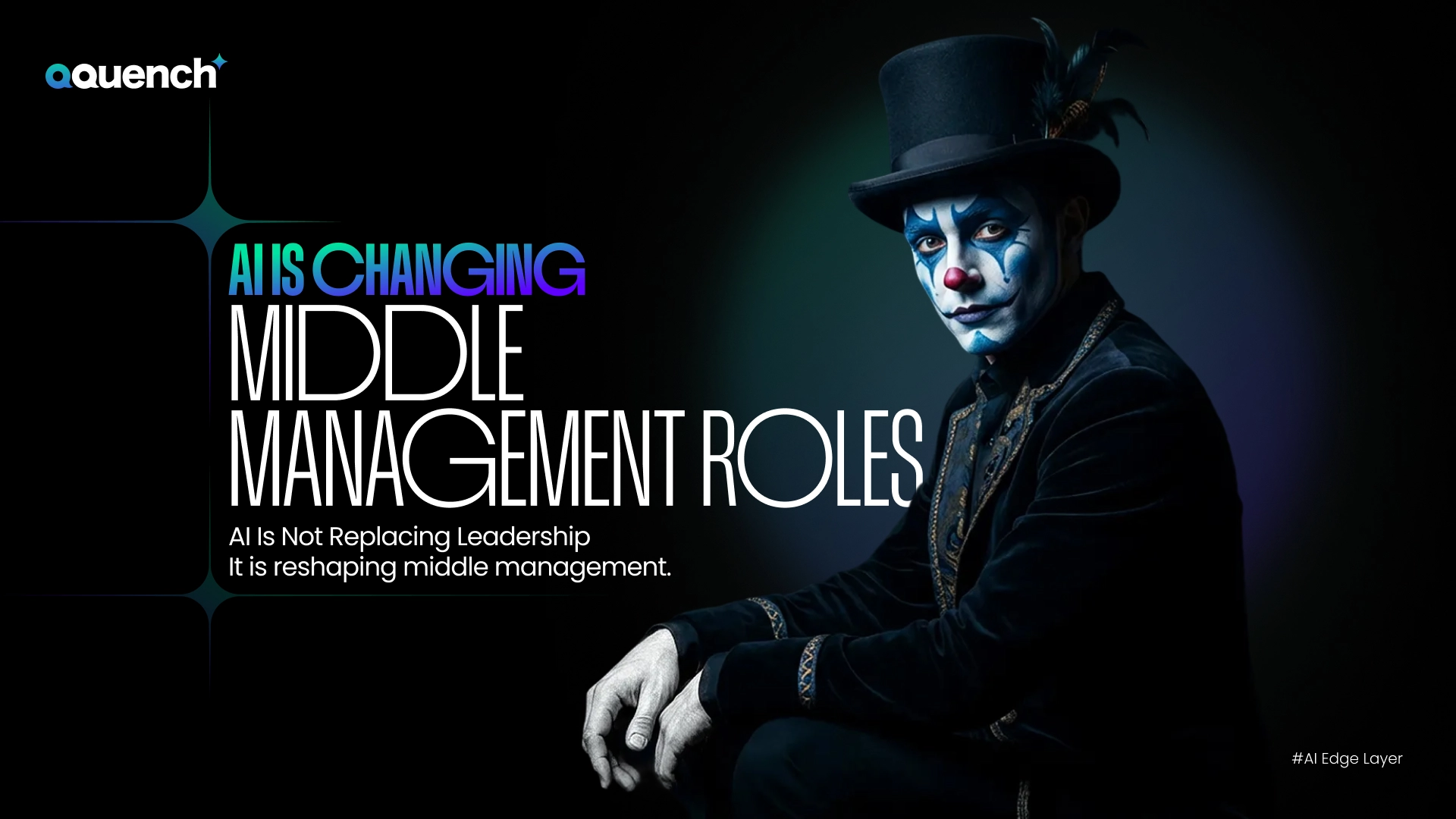
When intelligence becomes embedded in systems, middle management layers evolve.
The World Economic Forum’s Future of Jobs report highlights that AI is shifting managerial skill requirements toward judgment, oversight, and strategic alignment rather than reporting and coordination.
AI alters how authority flows through organizations.
As information processing becomes automated, organizational roles shift from coordination toward interpretation and oversight.
The Historical Role of Middle Management
Middle management traditionally:
- Controlled information flow
- Interpreted performance data
- Filtered escalation
- Managed compliance reporting
Information scarcity created influence.
AI reduces scarcity.
When dashboards update in real time and analytics are automated, interpretation shifts upward and downward simultaneously.
This aligns with themes in:
Human–AI Decision Boundaries Must Be Explicit
If AI influences decisions, human roles must be redefined.
Information transparency reshapes authority distribution across organizations.
AI Compresses Reporting Layers
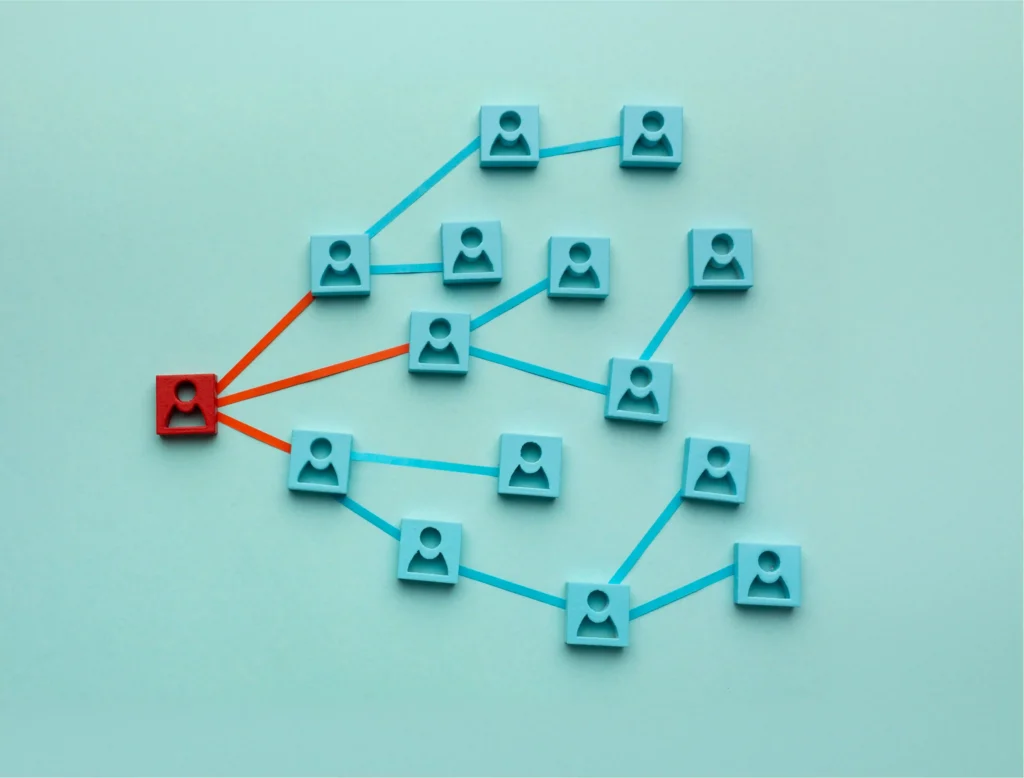
AI automates:
- Status reporting
- Resource allocation suggestions
- Workload balancing
- Risk flagging
McKinsey research indicates that AI can automate significant portions of managerial reporting and coordination activities.
This does not eliminate management.
It compresses information-processing layers.
Organizations must decide:
- What remains human judgment
- What becomes automated insight
- Where accountability sits
As reporting layers compress, leadership roles become less administrative and more analytical.
The Risk of Role Ambiguity
If AI begins:
- Assigning priorities
- Recommending promotions
- Allocating resources
- Flagging performance gaps
Without role clarity, middle managers may:
- Feel disintermediated
- Resist adoption
- Distrust AI recommendations
This connects to:
Role ambiguity slows transformation.
Clear redesign accelerates it.
Ambiguous authority structures create resistance during AI-driven organizational change.
Leadership Becomes Less Operational, More Interpretive
As AI handles coordination, middle managers shift toward:
- Coaching
- Contextual judgment
- Ethical oversight
- Cultural reinforcement
Harvard Business Review emphasizes that leadership in AI-driven organizations requires stronger human capabilities in interpretation and critical thinking.
The manager of the future is not an information gatekeeper.
They are a decision steward.
Human leadership becomes more focused on judgment, interpretation, and context.
AI Requires Organizational Redesign, Not Just Training
Many enterprises respond by:
- Training managers on AI tools
- Offering dashboards
- Introducing automation platforms
But if reporting responsibilities shift, KPIs must shift.
Incentives must shift.
Authority definitions must shift.
This mirrors patterns explored in:
Strategy Does Not Become Practice
If structures do not align with system design, execution gaps widen.
Technology adoption without organizational redesign produces structural friction.
The Cultural Dimension
Middle management often acts as cultural stabilizer.
If AI introduces:
- Faster decisions
- Increased transparency
- Performance analytics visibility
Pressure rises.
Without support, managers may perceive AI as threat rather than support.
MIT Sloan research notes that organizations that succeed with AI transformation prioritize role clarity and capability redesign rather than only technology rollout.
Transformation is structural, not technical.
Organizational culture adapts when leadership roles evolve intentionally.
What Enterprises Must Redesign
Before scaling AI across workflows, enterprises should define:
- What coordination tasks AI will absorb
- What oversight remains human
- How accountability flows
- How performance metrics evolve
- How incentives align with AI-supported decisions
AI compresses information.
Leadership must expand interpretation.
Successful enterprises treat AI adoption as an organizational architecture decision.
AI Reshapes the Organizational Spine
AI does not eliminate leadership.
It redistributes it.
Middle management roles will:
- Become less transactional
- Become more judgment-oriented
- Require stronger critical thinking
- Focus on human oversight of intelligent systems
Enterprises that redesign roles intentionally:
- Preserve trust
- Accelerate adoption
- Improve ROI
- Strengthen culture
AI transformation succeeds when organizational architecture evolves alongside technology.
Explore Further:
- Human–AI Decision Boundaries
- AI Undermines Accountability
- Strategy Rarely Becomes Practice
- AI & Automation Services
Redesign Leadership for the AI Era
Talk to Qquench about aligning AI systems with organizational structure, role clarity, and governance frameworks.
FAQ
- Is AI replacing middle management?
No. AI is reshaping managerial responsibilities by automating coordination and reporting tasks.
2. What changes for middle managers in AI-driven enterprises?
Their role shifts toward oversight, judgment, coaching, and interpretation.
3. How should enterprises prepare managers for AI?
By redefining role expectations, accountability boundaries, and performance metrics.
4. Does AI reduce leadership importance?
No. It increases the importance of governance and human decision stewardship.