



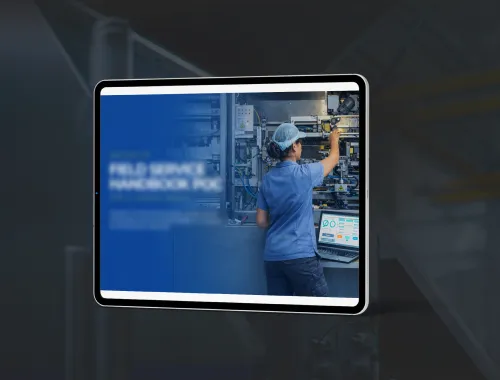


Design That Works Where Budgets Don’t: How UX Builds Trust in Low-Resource Contexts
Working with users in low-resource settings? Discover how to use design, tone, and UX principles to build trust and usability—even with limited infrastructure.
Great Design Doesn’t Require 5G or Fancy Devices. Just Empathy.
You’re designing for:
Field officers on patchy internet
Factory workers on shared mobile phones
Educators in underserved regions
And the challenge isn’t just tech—it’s trust.
In low-resource settings, attention is scarce. Skepticism is high. Tools feel alien.
That’s why good UX isn’t a luxury here. It’s a bridge to belief.
Let’s talk about how design earns trust—even in the toughest environments.
Why Trust Is Fragile in Low-Resource UX
1. Past Tech Promises Went Nowhere
Users have seen shiny apps that didn’t work offline.
E-learning they couldn’t load.
Portals that crashed mid-task.
Trust doesn’t begin at “login.” It begins at functionality.

2. Every Click Carries Cognitive and Financial Weight

If data is expensive or tech support is miles away, users approach every screen with caution.
What works: Interfaces that guide, not guess. Feedback loops that reassure, not confuse.
3. Skepticism Lives in Small Details
Misspelt local terms. Complex language. Icons that don’t translate.
Design that isn’t seen as local often isn’t trusted as useful.

How Qquench Designs for Trust, Not Just Access
1. Offline-First Isn’t a Feature. It’s a Mindset.
We build products that work:
- With low bandwidth
- On low-end devices
- In interrupted sessions
We also test like real users—not just on MacBooks in a meeting room.

2. Cultural UX Is Non-Negotiable

We research how people:
- Read instructions
- Make choices
- Understand metaphors
- React to tone
Because trust is emotional before it’s technical.
3. Clarity = Credibility
In low-resource settings, confusion = dropout.
We use:
- Large, clear icons
- Minimalist interfaces
- Multilingual and visual-first storytelling
- Predictable, familiar layouts
Design can’t assume digital fluency. It must guide gently and clearly.

Where There’s Low Tech, There Should Be High Respect
Designing for low-resource settings isn’t about cutting corners.
It’s about elevating relevance.
At Qquench, we design tools that:
- Work on less
- Feel like more
- Earn trust, one scroll at a time
If your audience deserves better (but your infrastructure says otherwise)—we’re here.
